
Do Interior Spaces in Senior Assisted Living Communities Make a Difference?
The layout and design of assisted living homes can make a real difference in the day-to-day life of residents. Beyond physical comfort, the living space determines both emotional health and personal autonomy. It also affects social bonds and self-assurance.
Furniture and lighting might seem like aesthetic considerations at first, but the layout of an assisted living home is often an important factor in how connected, supported, and empowered its residents feel. If you are planning to move to an assisted living community, you must consider how the interior of an assisted living community can affect the quality of your life.
10 Ways Interior Spaces in Senior Assisted Living Communities Make a Difference
These 10 design choices shape daily life in powerful ways:
Enhances Safety and Mobility
Home design should support your movement, not impede it. Safety can be established via various measures such as wide corridors and doorways, non-slip flooring, and the installation of grab bars in strategic locations. These features help prevent falls and make it easier to move around with a walker or cane.
Good lighting is another essential aspect. Hallways, stairs, and other common areas should be well-lit and marked. This will help ensure that you experience no difficulty in seeing at night or during low-light conditions. It is also helpful to arrange furniture so that there is plenty of space for free movement.
Supports Daily Independence
A home design that promotes independence will give you more control over your daily activities. For instance, with elements like easily reachable storage solutions, flexible kitchenettes, lever-style door handles, and walk-in showers, you will not need to ask staff members for assistance all the time.
Clear floor plans, easy navigation, and an intuitive layout will also allow you to move around your space without getting lost or confused. The desire for independence is not only about mobility, but also about dignity. When elderly people can perform personal tasks, such as dressing, grooming, or even preparing snacks without help, they will feel more complete and in control.
Encourages Social Interaction
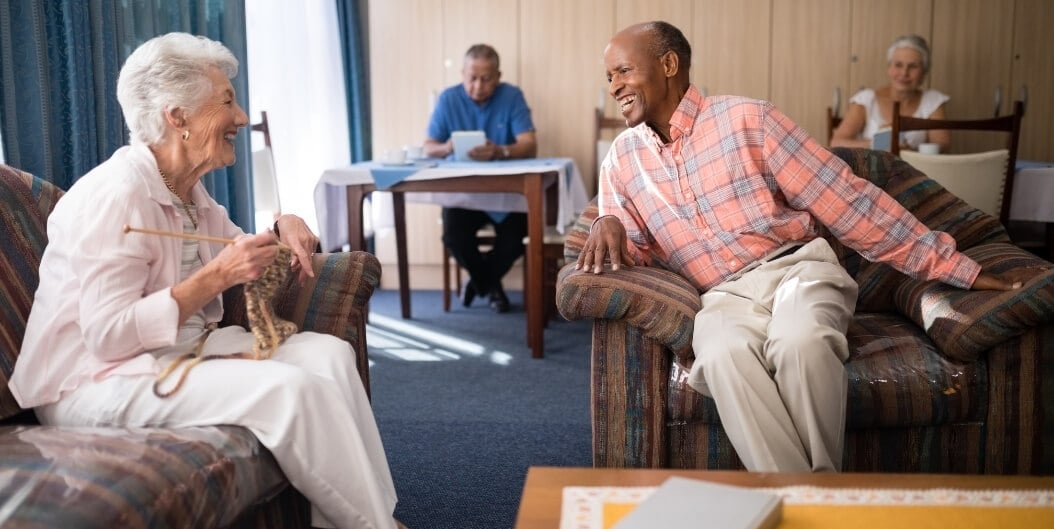
Open, warm, and inviting communal spaces can encourage you to naturally interact with residents. Comfortable lounge areas, game rooms, or libraries provide the perfect setting for impromptu chats or group activities. Cafeteria-style dining halls can turn meals into a social affair rather than a solitary task.
Simple choices, like apartments grouped together or shared patios, can facilitate casual encounters and connections among residents. Designing interior spaces to promote connection and interaction fosters a supportive environment in which relationships can thrive.
Promotes Mental Well-being
Our environments have a significant impact on our daily emotional well-being. Assisted living communities offer serene and spacious interiors that are therapeutic for residents. The calming influence of such interiors helps to alleviate anxiety and uplifts mood in a gentle way.
Bright, airy rooms with soothing color schemes and quiet nooks and crannies are extremely calming and create a sense of mental well-being. A view of greenery or indoor plants can pleasantly distract the senses without being too overpowering.
Reduces Feelings of Isolation
Interior spaces are designed to help residents feel less isolated. Living room spaces that are well-lit and easily accessible will encourage you to spend time outside of your room and with other residents. Small sitting areas with comfortable chairs, community bulletin boards, and open floor plans also facilitate these unplanned opportunities for you to socialize with residents.
Windows can even have a direct impact on loneliness. If residents can see into a garden, onto a walking path, or even into a bustling courtyard, they are more likely to feel connected to life around them. Interior designs that are focused on openness and visibility can also make it easier for you to feel recognized and included.
Stimulates Physical Activity
Spaces that encourage movement (without being obtrusive) can also motivate older adults to be physically active in safe and pleasurable ways. Walking paths through the indoor common spaces, inviting staircase with railings for support, and open activity rooms encourage regular movement.
Easy, unobstructed circulation from living areas to dining or exercise rooms also helps make physical activity a regular part of daily life. Easy access to amenities, such as fitness rooms and outdoor courtyards, can give you the opportunity to be active at your own pace and discretion.
Fosters a Sense of Belonging
Welcoming and inclusive interiors make residents feel they belong to a community and are not just occupying a room. Personalization options, such as allowing customization of décor, having spaces to display personal mementos, and featuring resident-created art on walls, can foster emotional ownership and pride.
Communal areas designed around shared interests or cultural themes can further enhance a sense of togetherness. Spaces that reflect the lives and personalities of the residents living within them are likely to nurture stronger emotional connections.
Improves Sleep and Relaxation
Peaceful surroundings will support your well-being by promoting relaxation, recharging, and improving your sleep quality. Acoustic design considerations, such as sound absorption, window coverings that block light, and solid insulation that lessens nighttime noise and light infiltration, can be beneficial for you if you are easily overstimulated.
Dimmable lighting and neutral palettes in bedrooms can also be used to set a calm tone. Sleeping areas located near windows can also be helpful in setting consistent and healthy sleep-wake patterns.
Sparks Creativity and Engagement
Engaging spaces in assisted care communities can encourage residents to try a new hobby or rekindle an old interest. These spaces may include an art studio with lots of natural light, a multipurpose room with puzzles and games, or a serene reading nook with garden views.
Clean, well-organized spaces make it easier for staff to introduce engaging programs and activities. Visually interesting displays like seasonal decorations or resident-made art can also prompt interaction.
Creates a Home-Like Environment
Feeling at home is one of the primary goals of interior design. Warm lighting, comfortable furniture, and even framed photos will provide you with a sense of familiarity and coziness. Design features like open kitchens, welcoming porches, and living room-style lounges mirror the experience of a real home, not a cold, institutional environment.
Even the smell of fresh flowers or cookies can trigger warm memories. A sense of belonging makes it easy to settle in emotionally and become an active member of the community. A sense of home is essential for your peace of mind, dignity, and connection.
Looking for a Place That Feels Like Home? Schedule a Visit to Spring Lake Assisted Living & Memory Care Today
Beyond aesthetics, interior design in an assisted living community can create a better life for you. It can help with safety, comfort, independence, connection, and more. At Spring Lake Assisted Living & Memory Care, we understand the importance of design. That’s why we thoughtfully create spaces that are warm and welcoming, and most importantly, feel like home.
Schedule a tour today and see how our carefully curated spaces can impact the quality of your life.